Ozempic Face and Crepey Skin: How Hyperdilute Radiesse Can Help
Written by
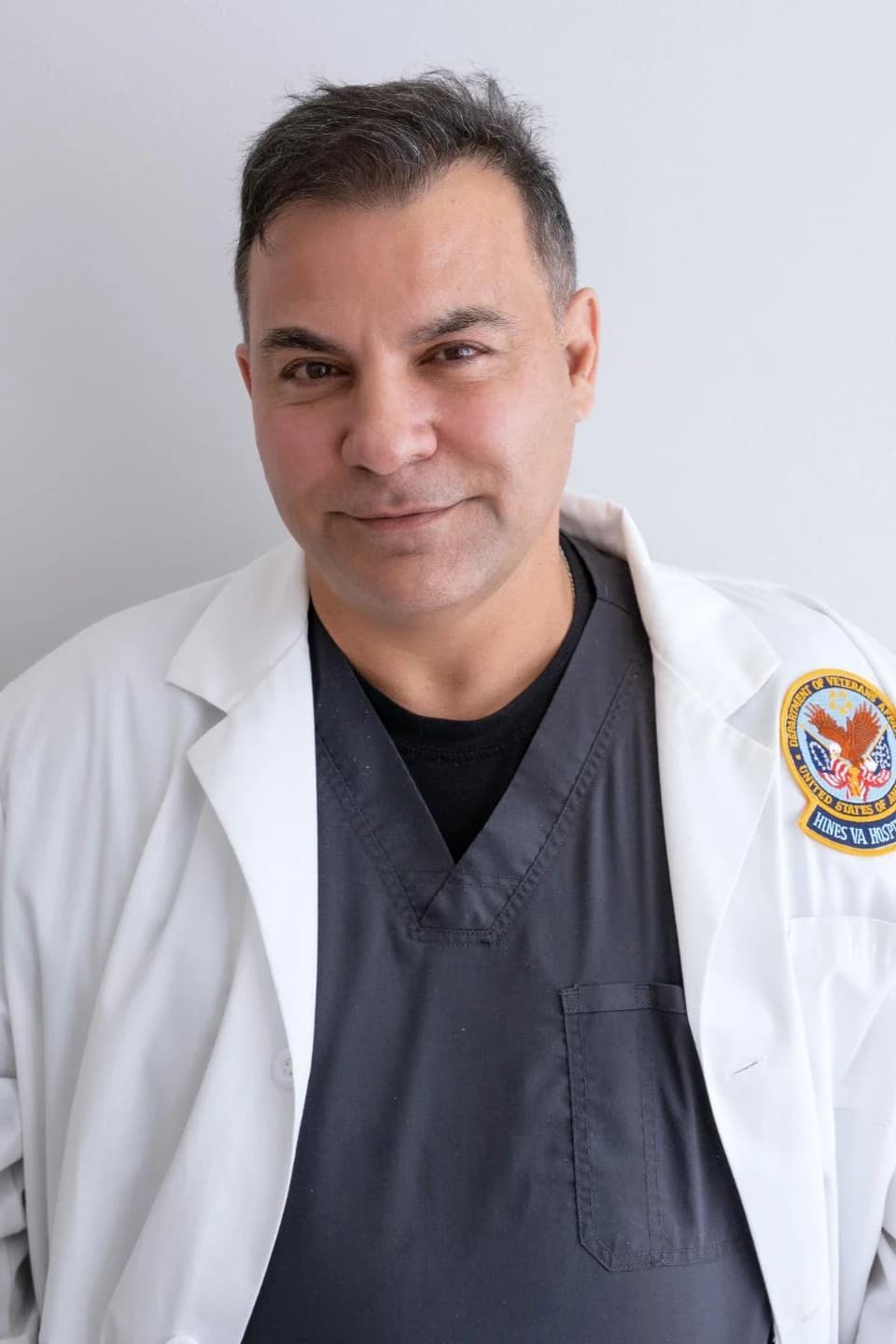
Michael Fressola, ACNP-BC, Board-Certified Nurse Practitioner
Losing weight can help you feel better, but the changes in your face may catch you off guard. Your cheeks might look flatter, or the skin along your jaw and neck might seem looser than before. If you are happy with your progress and wondering what to do about those changes, we can help you understand your options.
At Skin Med Spa, we start by looking at what has changed. Lost facial volume and thin, crepey skin often need different treatments. Hyperdilute Radiesse is one option we can discuss when improving skin quality is part of your goal.
What causes Ozempic face?
Ozempic face is the nickname for hollowing and loose skin that can become noticeable after weight loss. Ozempic contains semaglutide, a GLP-1 medication, but similar changes can happen after weight loss through other medications, diet changes, or bariatric surgery.
As you lose facial fat, your skin has less fullness and support underneath it. That can make existing wrinkles and laxity easier to see. The amount and pace of weight loss matter, along with your starting anatomy. These changes do not necessarily mean the medication has damaged your skin. Keep any decisions about your prescription with the clinician managing your weight-loss care.
How does hyperdilute Radiesse work?
Radiesse contains calcium hydroxylapatite, or CaHA, in a gel carrier. In its standard form, it can add volume in appropriate areas. For hyperdilute treatment, we mix it with additional fluid so it spreads across a larger area. The goal is to stimulate collagen and improve skin firmness and texture over time.
This makes it worth considering for thin, crepey skin on the neck, décolleté (upper chest), upper arms, or above the knees. The gradual change in the skin's supporting tissue is called dermal remodeling. Significant hanging skin may need a different approach, and deep cheek or temple hollows may need a separate volumizing treatment.
In March 2026, the FDA approved Radiesse diluted 1:2 with sterile saline for décolleté wrinkles in adults 22 and older. Other hyperdilute applications, including the neck, arms, and knees, are generally off-label. We will explain what that means for the area you want treated and review the evidence and alternatives with you.
How does it compare with Sculptra?
Radiesse and Sculptra are both biostimulators: they encourage your tissue to produce collagen. Sculptra contains poly-L-lactic acid and works gradually over several weeks. Hyperdilute Radiesse is useful when the main concern is skin quality across a broader area. Standard Radiesse has a different role when volume is needed.
The choice comes down to your skin, the area being treated, and what you want to improve. Hyperdilute Radiesse can be a good alternative to discuss, but neither product is the better choice for everyone. Both can cause lumps or nodules, and we cannot promise that Radiesse will need fewer sessions than Sculptra. Your plan should explain why a particular product fits your concern.
When will you see results?
Standard Radiesse can provide immediate filling. Hyperdilute treatment relies more on the collagen response that develops over weeks to months. Early fullness may include injected fluid and swelling, so the appearance on treatment day is not the final result.
You may need a series of appointments, depending on the area and how your skin responds. We will discuss the expected visits, cost, and follow-up before treatment. Once we can assess your improvement, we can talk about whether another session or maintenance makes sense.
Leave room in your calendar for bruising or swelling. Follow the aftercare instructions for your treatment, including limiting strenuous activity and extensive heat or sun exposure for about 24 hours, or until initial swelling and redness settle. Ask us whether massage is appropriate for your treatment.
What should you know before treatment?
Your consultation includes a review of your medications, previous fillers, allergies, and medical history. Active skin infection or inflammation needs attention first. Severe allergies or bleeding disorders can rule out Radiesse, and its safety during pregnancy and breastfeeding has not been established. For chest treatment, tell us about breast cancer or family history, radiation treatment, and breast implants.
Bruising, swelling, redness, and tenderness are possible after an injection. Lumps, infection, and delayed inflammatory reactions can also occur. Rare but serious filler complications include tissue injury, blindness, or stroke from accidental injection into a blood vessel. Seek urgent medical attention for vision changes, unusual or severe pain, skin blanching, or stroke symptoms. Let your provider know about a persistent or growing lump.
Radiesse and Sculptra are not hyaluronic acid fillers, and removing them can be difficult. We will discuss the risks and how complications are handled before you decide. Tell clinicians and radiologists about any previous Radiesse treatment because it can appear on imaging.
Planning your care at Skin Med Spa
Bring photos of the changes you have noticed and let us know whether your weight is still changing. We can talk through whether your concern calls for skin-quality treatment, volume restoration, or a combination. The goal is a plan that fits your face and your expectations.
Skin Med Spa is at 960 Warren Ave. in Downers Grove. If you are looking for hyperdilute Radiesse near Naperville, Hinsdale, or Oak Brook, call 630-541-8413 to arrange a consultation. We also welcome patients from Lombard, Wheaton, Glen Ellyn, Darien, and Elmhurst.
Michael Fressola sees patients at Skin Med Spa, 960 Warren Ave. in Downers Grove, Illinois. Every plan starts with a consultation. Call 630-541-8413 to schedule one.
This is general information, not medical advice. Whether a treatment is right for you is determined by a licensed provider after an evaluation.